










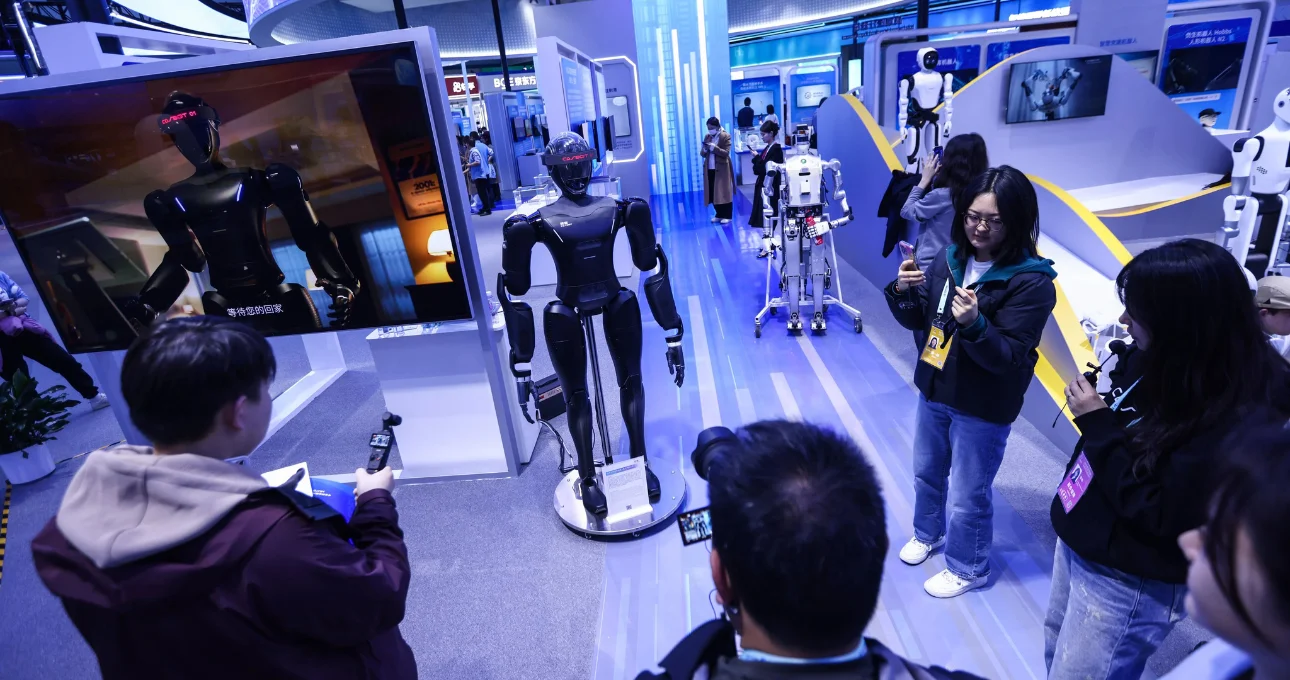
China has taken another decisive step in shaping the future of artificial intelligence by releasing draft regulations targeting AI systems designed to simulate human behavior and interaction. The move highlights Beijing’s growing focus on responsible AI deployment as generative and conversational systems become more lifelike, persuasive, and deeply embedded in everyday digital experiences.
The draft rules are part of China’s broader strategy to regulate advanced AI technologies before their societal impact becomes unmanageable. Unlike earlier frameworks that focused on data security or algorithmic transparency, these proposed regulations zero in on human-like AI systems—models capable of mimicking speech, emotions, reasoning, and social interaction in ways that can influence user behavior.
Why Human-Like AI Is Under Scrutiny
AI systems that simulate human interaction are increasingly common. Virtual assistants, AI companions, customer service agents, and digital avatars are now capable of holding extended conversations, expressing empathy, and adapting their tone to users’ emotions. While these capabilities improve usability, they also raise concerns around manipulation, psychological dependency, misinformation, and blurred boundaries between humans and machines.
China’s draft rules appear to address these risks head-on. Regulators are signaling that AI systems should not mislead users into believing they are interacting with real people, nor should they exploit emotional vulnerabilities. Transparency, user awareness, and behavioral safeguards are emerging as central pillars of the proposed framework.
Key Areas Covered by the Draft Regulations
Although still in draft form, the regulations reportedly emphasize clear identification of AI-generated interactions, stricter controls over training data, and accountability for developers and deployers of human-like AI. Companies may be required to ensure that AI systems avoid deceptive behaviors, refrain from impersonating real individuals, and operate within defined ethical and social boundaries.
Another notable aspect is the focus on deployment context. AI systems used in sensitive domains such as education, healthcare, social platforms, or mental health services may face heightened scrutiny. This reflects growing global concern that human-like AI can exert subtle influence over opinions, decisions, and emotional well-being.
Part of China’s Broader AI Governance Playbook
These draft rules do not exist in isolation. China has already introduced regulations covering recommendation algorithms, deep synthesis technologies, and generative AI services. Together, these policies form a layered governance model that addresses AI risks at different stages—from development and training to deployment and public interaction.
By focusing specifically on human-simulating systems, China is acknowledging that capability alone is no longer the main risk. The way AI behaves, communicates, and shapes human perception is now just as important.
Global Implications for AI Developers
China’s approach is likely to influence AI companies operating within its market and beyond. Firms offering chatbots, digital humans, or AI-powered customer interfaces may need to redesign systems to comply with stricter disclosure and behavioral requirements.
More broadly, the draft rules contribute to a growing global trend: governments are paying closer attention to how AI interacts with people, not just what it can technically achieve. Similar debates are unfolding in the European Union, the United States, and international policy forums, where concerns about AI persuasion, autonomy, and trust are intensifying.
A Shift Toward Human-Centric AI Regulation
China’s draft regulations for human-like AI systems underscore a critical shift in AI governance. The focus is moving from abstract ethical principles to concrete rules governing real-world interactions between humans and machines.
As AI systems become more convincing, emotionally responsive, and socially embedded, regulators are making it clear that innovation must be balanced with safeguards. Whether these draft rules become law in their current form or evolve further, they mark another step toward a future where how AI behaves with humans matters as much as how powerful it is.