










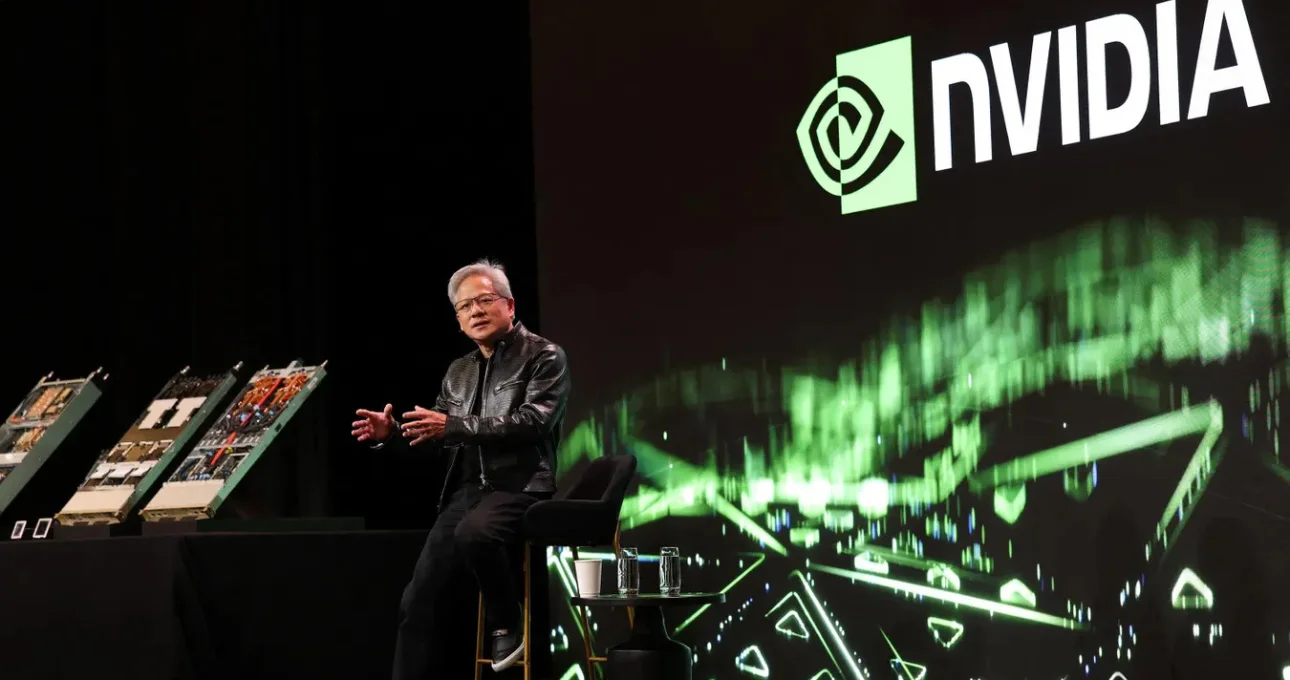
At CES 2026, NVIDIA once again set the tone for the future of artificial intelligence infrastructure by unveiling Rubin, its next-generation AI computing platform. Positioned as the successor to the Blackwell architecture, NVIDIA Rubin is not just another powerful chip—it represents a fundamental shift in how global data centers are designed, deployed, and scaled for the AI-first era.
As AI models grow larger, more complex, and more autonomous, traditional data center architectures are struggling to keep pace. NVIDIA’s answer is Rubin: a rack-scale, system-level platform that goes far beyond raw GPU performance.
What Is NVIDIA Rubin?
NVIDIA Rubin is built as a full-stack AI computing architecture, integrating GPUs, CPUs, high-speed interconnects, networking, memory, and security into a tightly coupled system. Instead of forcing cloud providers and enterprises to redesign their infrastructure every hardware generation, Rubin is engineered to slot directly into next-gen data centers with minimal friction.
This approach reflects NVIDIA’s broader strategy: AI performance is no longer defined by a single chip, but by how efficiently the entire system works together.
Why Rubin Matters for Data Centers
Modern AI workloads—from large language model training to real-time inference and robotics—demand unprecedented compute density, bandwidth, and energy efficiency. Rubin is designed specifically to address these challenges.
Key advantages include:
- Rack-scale efficiency: Rubin treats the data center rack as the new unit of compute, optimizing performance across hundreds or thousands of GPUs.
- Faster AI training and inference: Improved interconnects and memory bandwidth reduce bottlenecks that slow down massive AI models.
- Energy-aware design: With power and cooling becoming critical constraints, Rubin focuses on better performance per watt.
- Security at scale: Built-in security features help protect sensitive AI workloads and enterprise data.
For hyperscalers, enterprises, and emerging “neocloud” providers, Rubin promises faster deployment cycles and more predictable scaling.
From Chips to Platforms: NVIDIA’s Bigger Play
What makes Rubin especially significant is NVIDIA’s shift from selling components to delivering end-to-end AI platforms. Rubin isn’t just a GPU upgrade—it’s part of a vertically integrated ecosystem that includes NVIDIA’s software stack, AI frameworks, networking technologies, and orchestration tools.
This strategy strengthens NVIDIA’s position as the backbone of global AI infrastructure, making it harder for competitors to challenge its dominance with standalone chips.
Impact on the Global AI Race
The unveiling of Rubin comes at a time when governments, enterprises, and cloud providers are racing to build sovereign AI infrastructure. Faster deployment, higher efficiency, and scalable performance give NVIDIA a strategic advantage in this global competition.
For industries like autonomous vehicles, robotics, healthcare, finance, and scientific research, Rubin could significantly shorten the time from AI experimentation to real-world impact.
Is Rubin the Future of AI Data Centers?
While real-world benchmarks will emerge over time, the vision behind NVIDIA Rubin is clear: data centers must be designed around AI from the ground up. By focusing on system-level innovation rather than isolated performance gains, Rubin could define how AI data centers are built for the next decade.
CES 2026 made one thing certain—NVIDIA Rubin is not just another chip launch. It’s a statement about where AI computing is headed and who intends to lead it.